Devlog
Devlog
The development diary of The Mystery of the Santa Maria: progress, decisions and behind-the-scenes notes, published as we go.
-
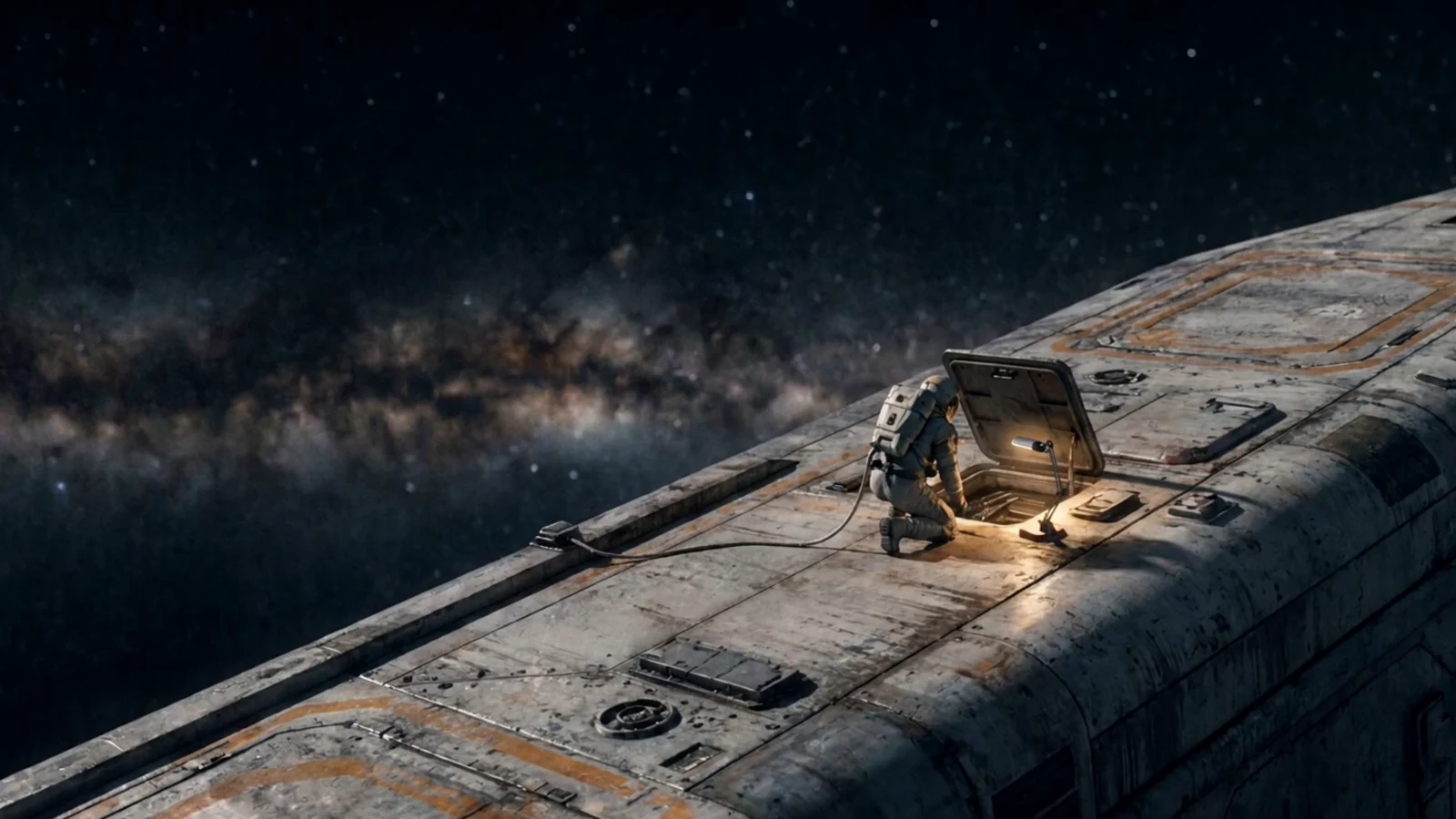
The ship was two ships
In the intro, the ship in the opening shot and the one in the engine shot were not the same ship. We wrote down once and for all what the Santa Maria looks like, we built her, and then we remade every image of her exterior. The intro is now complete: ten shots, one ship. And William finally goes outside to work.
-
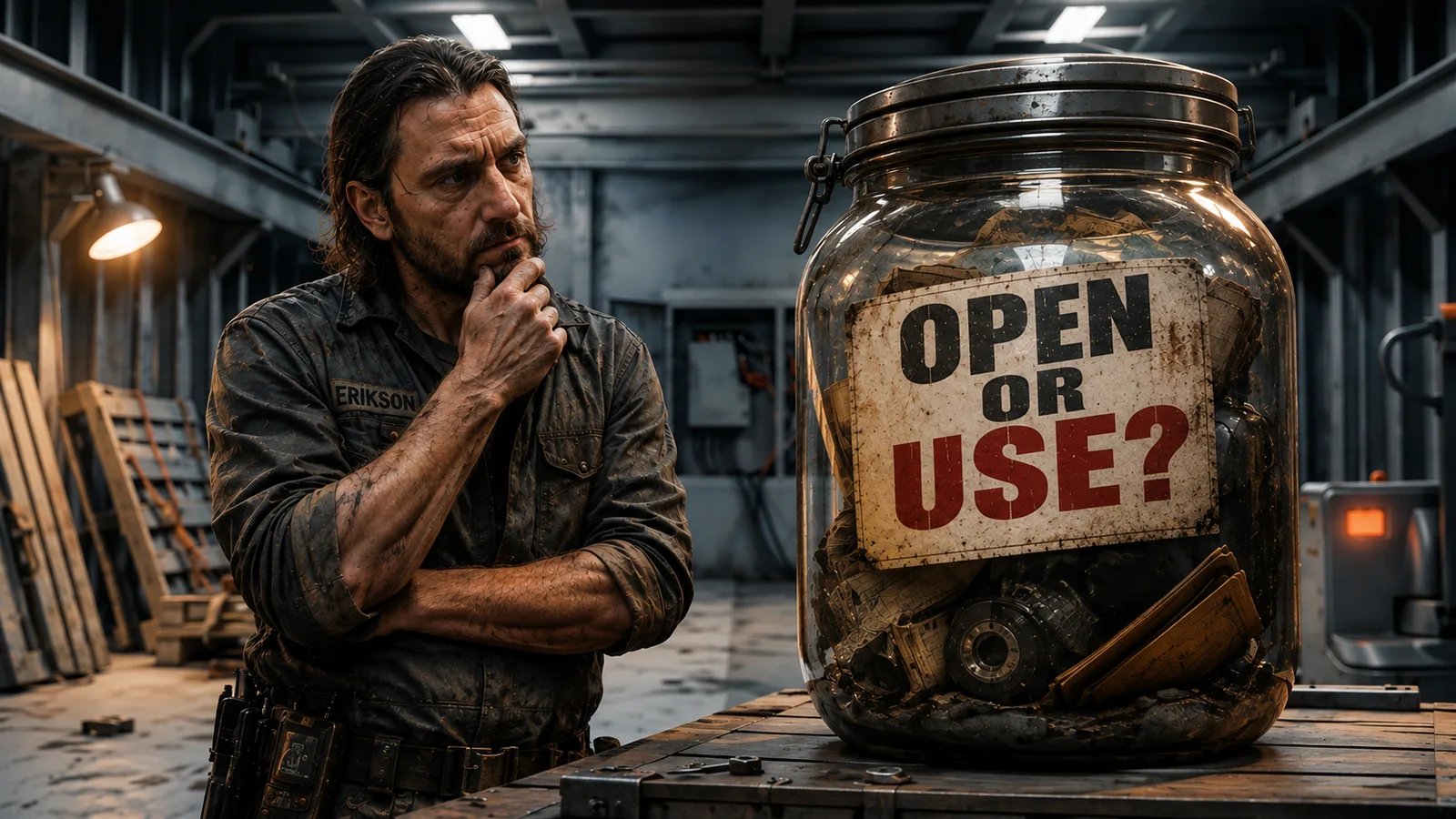
The lid didn't come off
Two panels on the ship answered that the protective lid came off and the controls were now accessible. Nothing came off and nothing changed. Nobody ever got stuck there, which is exactly why the two lines lasted three months: somebody always investigates a refusal, nobody investigates a yes.
-
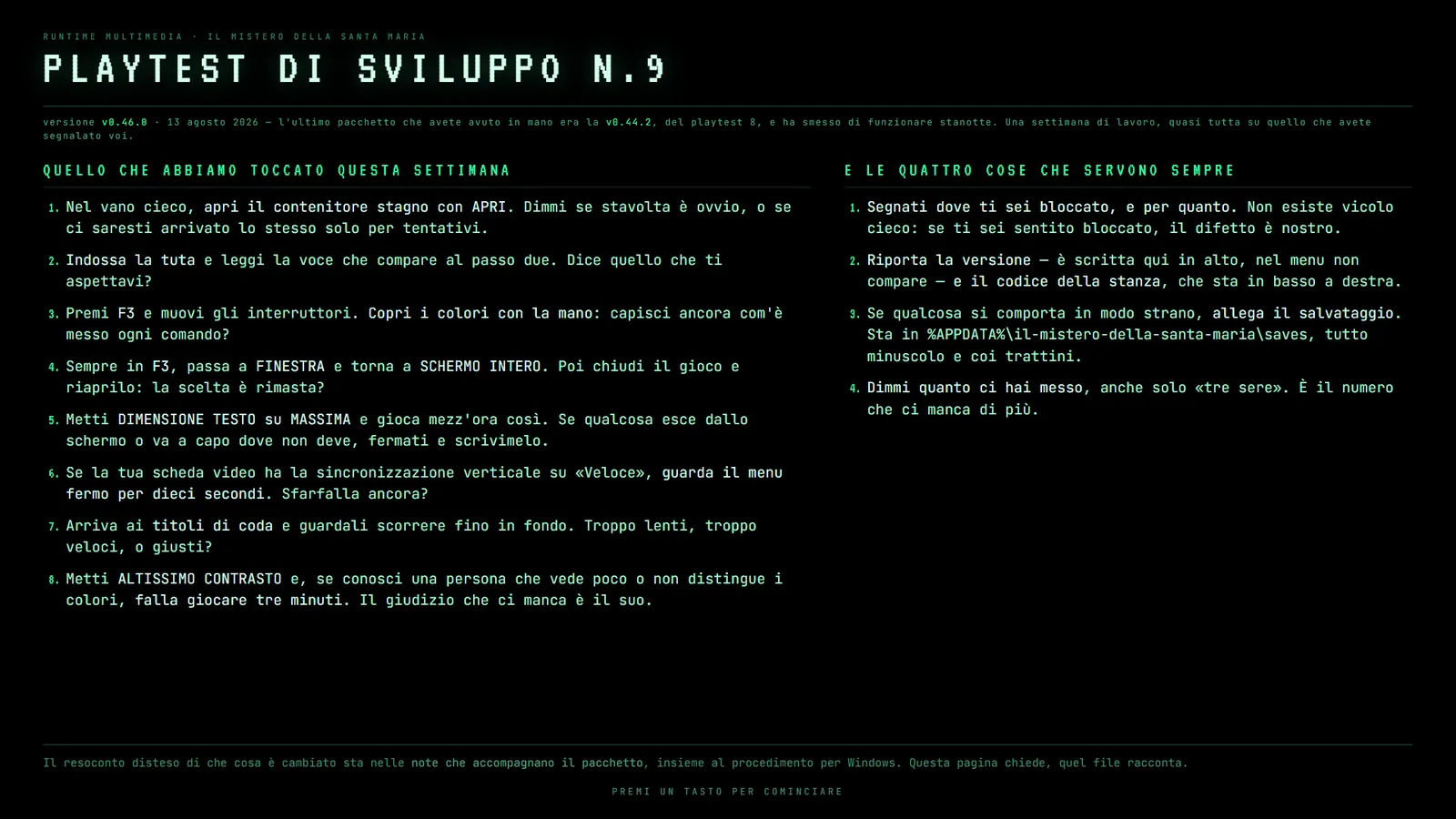
There are twelve things to check
Every test build opens on a screen that tells testers what has changed. For eight rounds it told them, and the reaction was always the same: fine, nice, next. From today that screen asks instead. Plus the thing that stops a tester and isn't in the game at all.
-
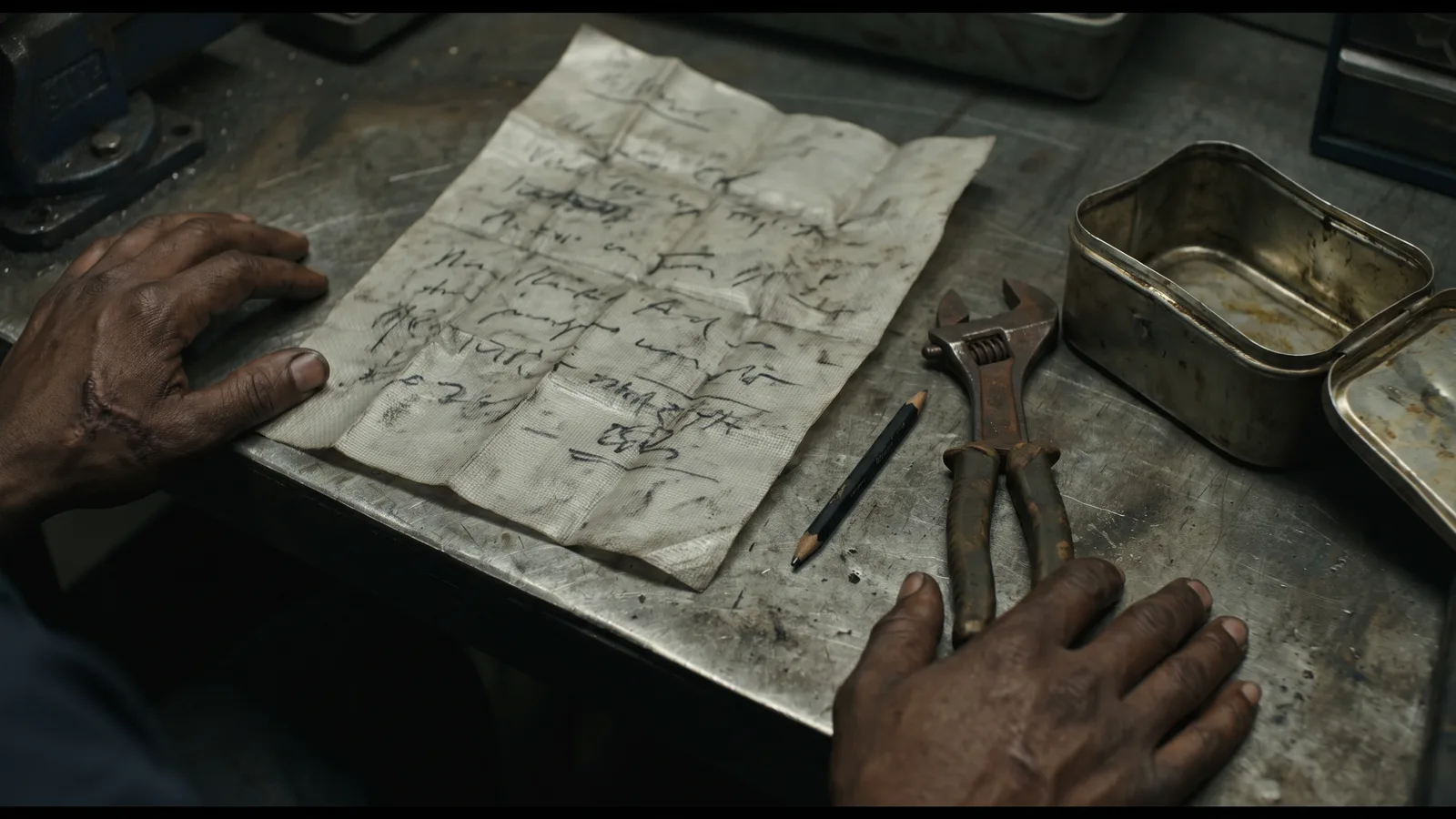
The line arrived half-finished
Every spoken line in the game is pulled out of the code and put into a list, and that list is what goes to the recording studio. One line was arriving cut in half, and nobody could have spotted it: a truncated line reads perfectly well. That is where the rest of the day came from, plus three things we left behind a few days earlier.
-
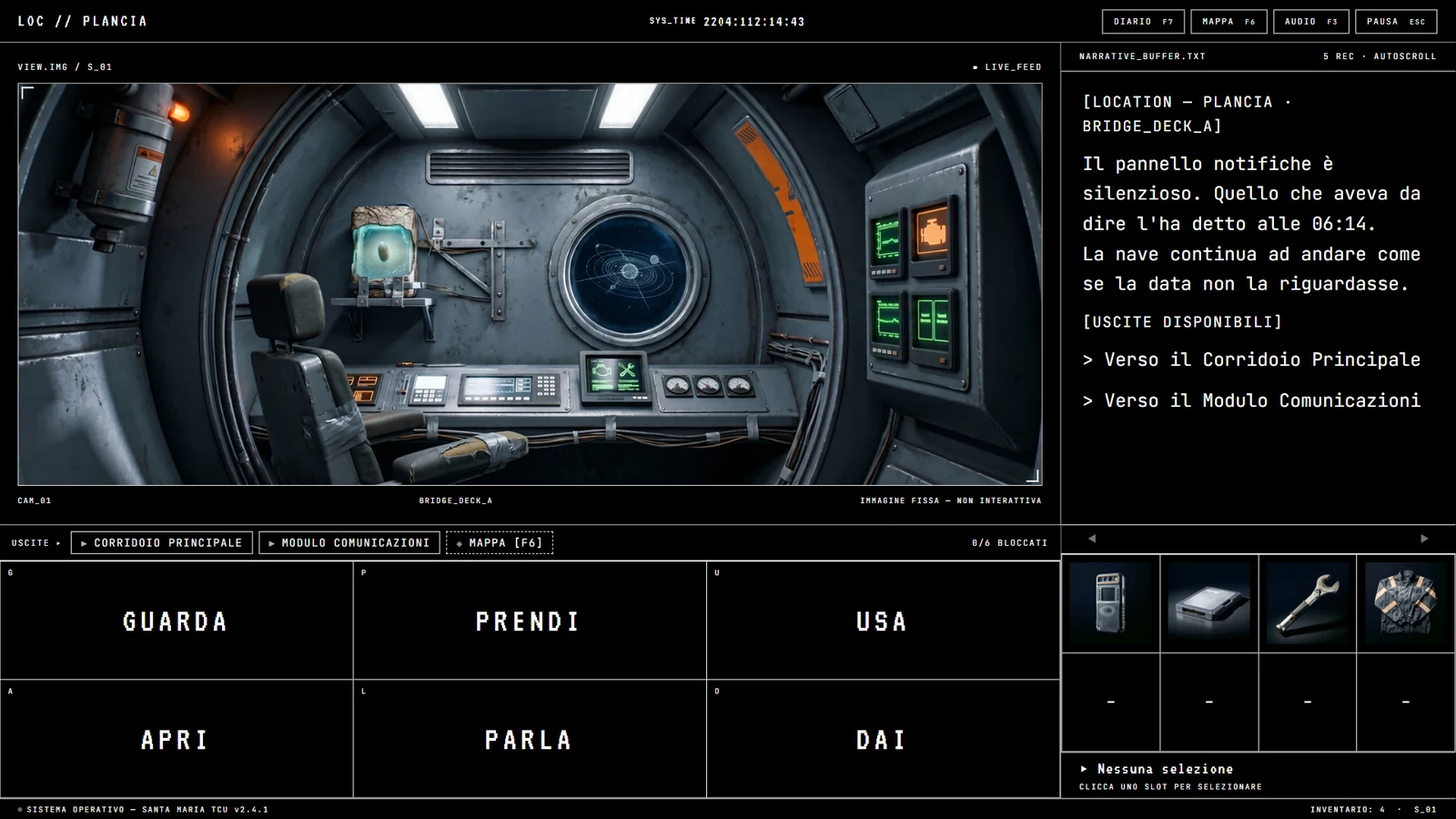
The maximum was a full screen
In the settings panel, the slider that changes the size of the game stops at full screen: anyone who needs things bigger finds nothing there. We lifted that limit, and for half a day the interface and the artwork grew too. Then we stopped, and the person who called the stop is the one who uses that setting first.
-
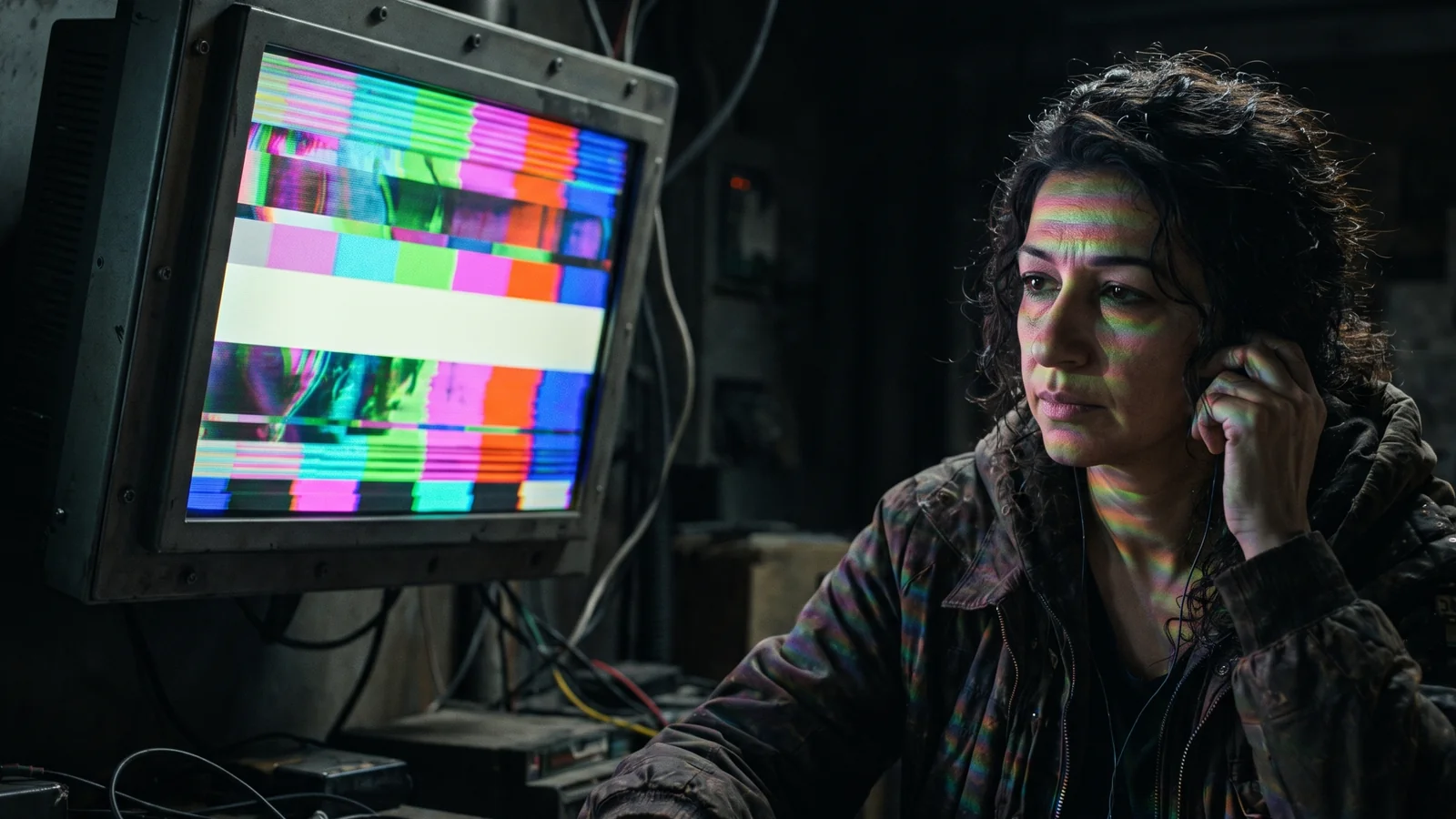
The monitor remembered
A tester opened the game and found the screen shaking. He recorded his screen, and the recording was clean. Behind it was a setting on his graphics card, but the fault was not all his: the game was leaving the monitor free to show frames that were minutes old. And the part of the screen that moved turned out to be the only healthy one.
-
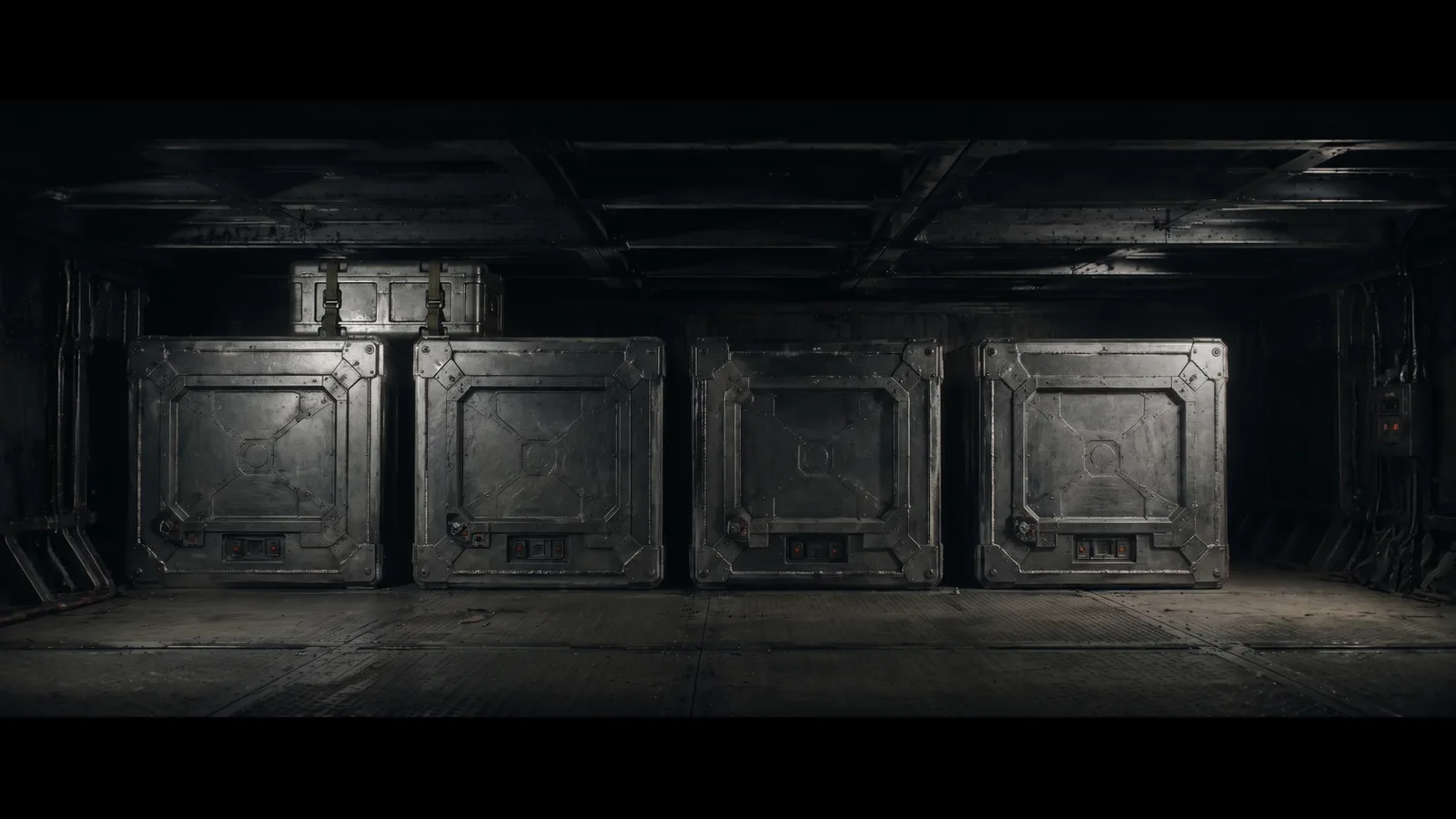
The hold was full
The person who writes the game played it end to end in one evening, doing everything there was to do. Eleven problems came out of it, and four had the same root: a condition that recorded something the player had worked out was being read as if it said where things were on the ship. So a room described itself as empty while it was full. There is a new build as of today, and you can ask for it.
-
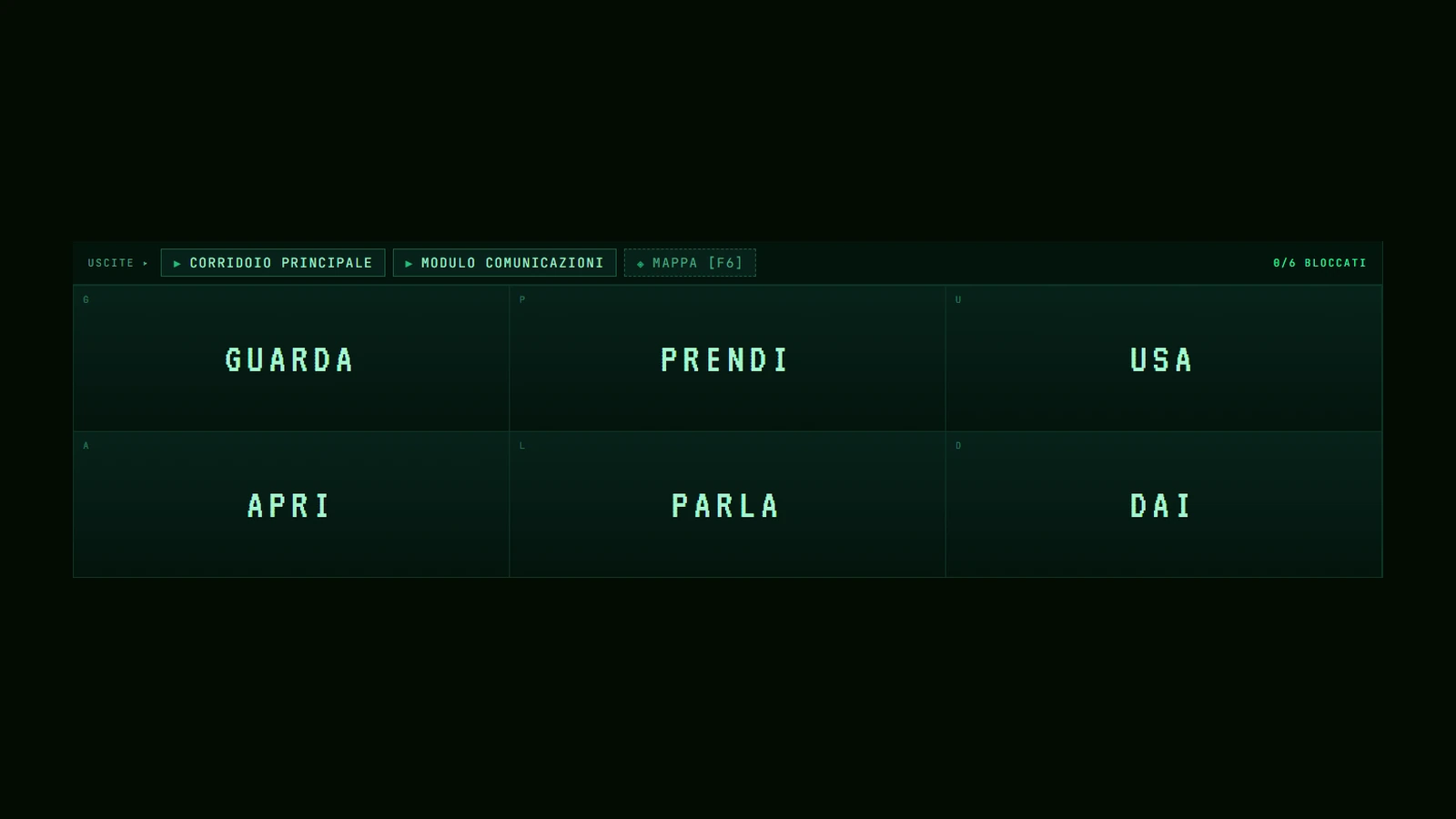
A tribute that took up too much room
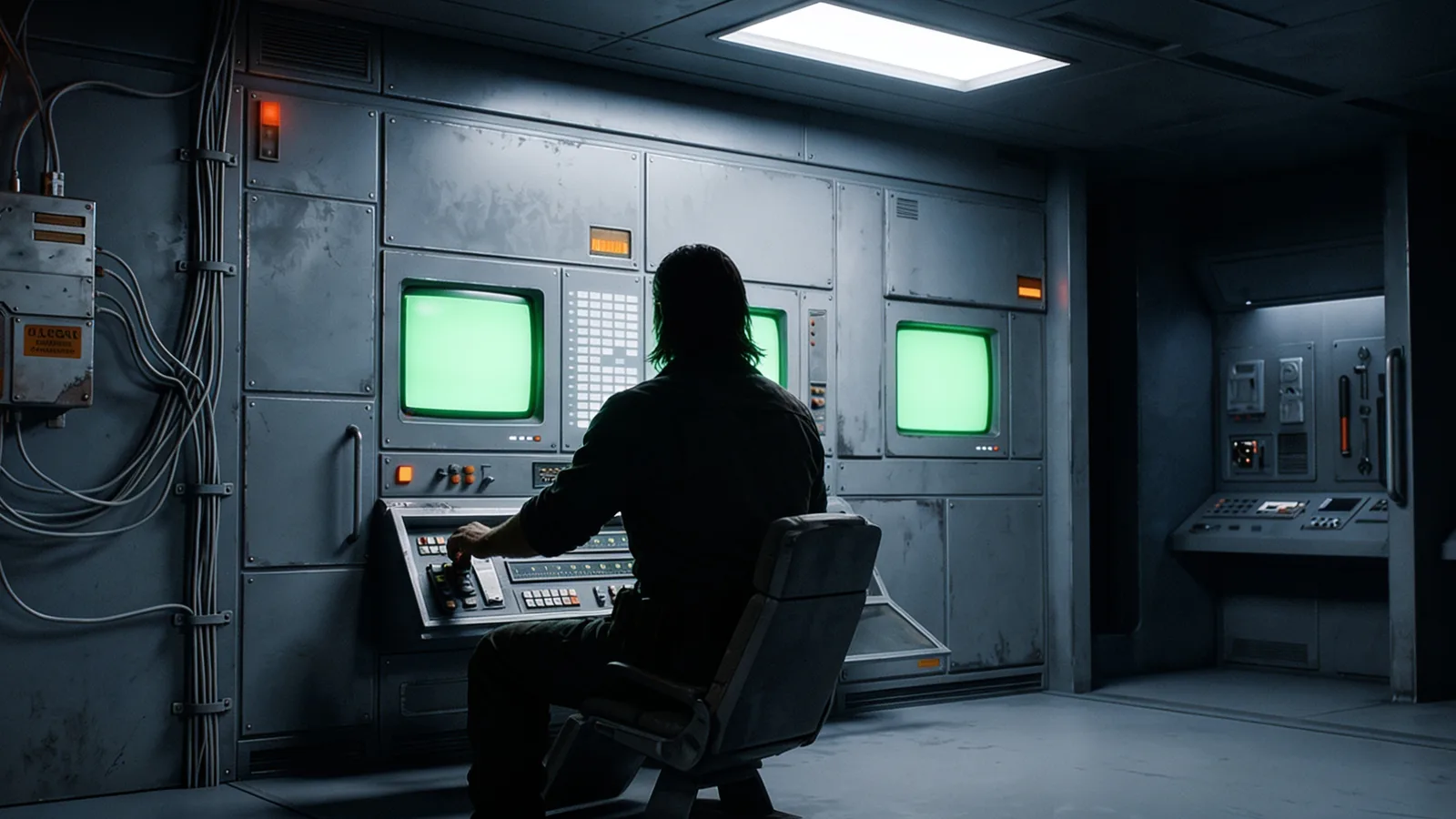
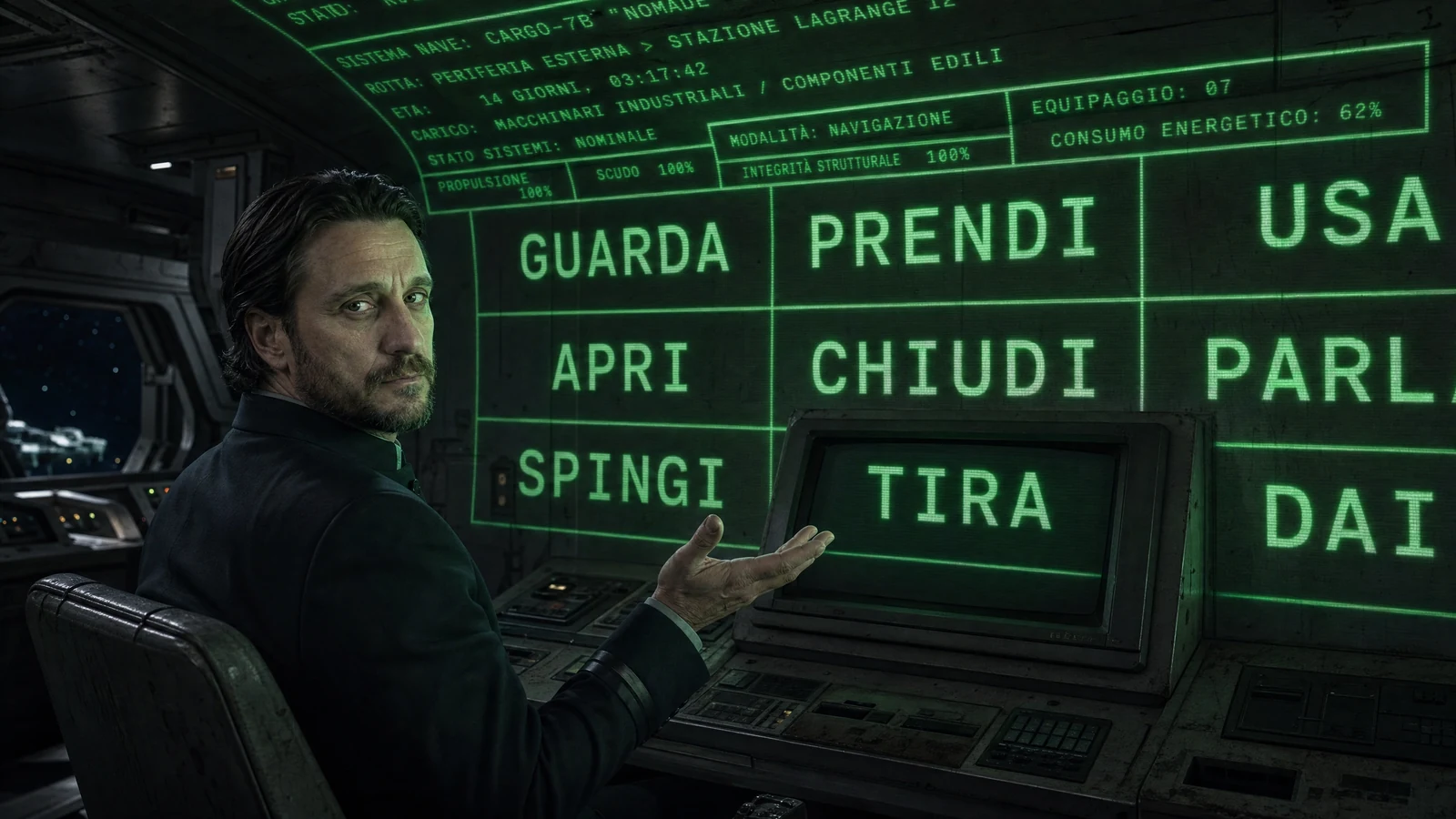
Simone opens this devlog himself, in the first person, because the decision needed explaining before it could be reported: the verb grid goes from nine to six. CLOSE, PULL and PUSH are out. But before anything was cut, three things were moved: the dialogues go to TALK, the lever in the ending goes to USE, and Berg's forms finally give the one verb that had never had anything to do something to do.
-
The voice said twelve
The second recording of the voice that opens the game arrived. It had six seconds of advertising stuck to the front of it, and it carried the fix to a mistake that had been sitting in the game for four days: in the first take William says he has had the ship for twelve years, and in eleven places in the game he says it has been seventeen.
-
Forty seconds making it smaller
A tester spent forty seconds trying to make the game bigger, and the game kept getting smaller. That was the easy bug. The hard one is that the settings panel was showing the right numbers, but for two different things: one was the monitor, the other was the window. And for now, we cannot claim his report is confirmed.
-
One bracket too many
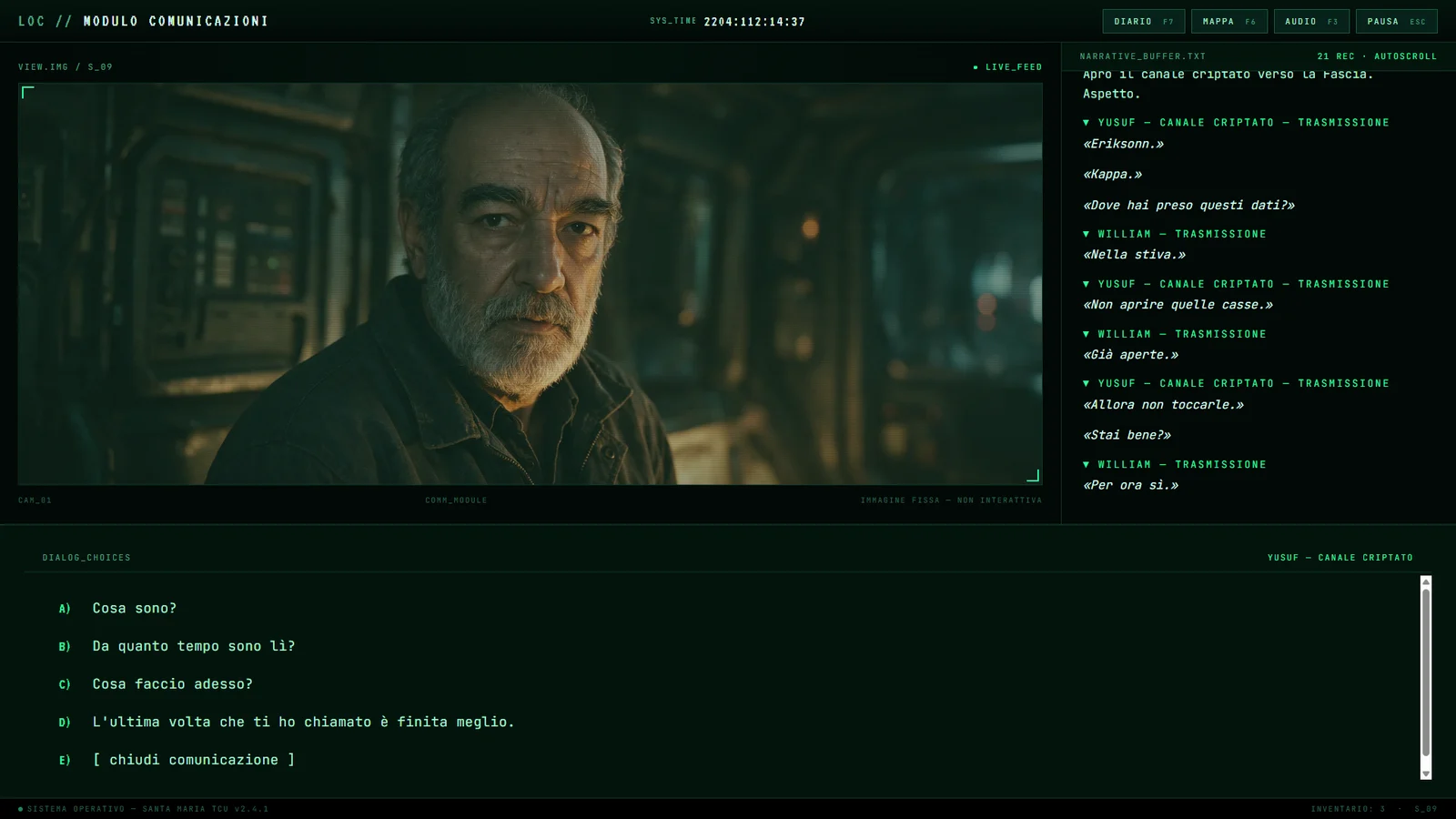
Every time you walked into a room, the game printed a line with two square brackets instead of one. It had been there for months, everyone read it, and not one of our tools could see it: three separate blind spots overlapping, each of which is a sensible choice on its own. With this version the text revision is finished.
-
The button was greyed out
A line written on purpose, with its own version number and its own changelog entry, that nobody could read while playing: in nine rooms out of ten the verb that produced it was switched off. We found three like that, and two of them we had already counted as work done.
-
Eighteen lines in longhand
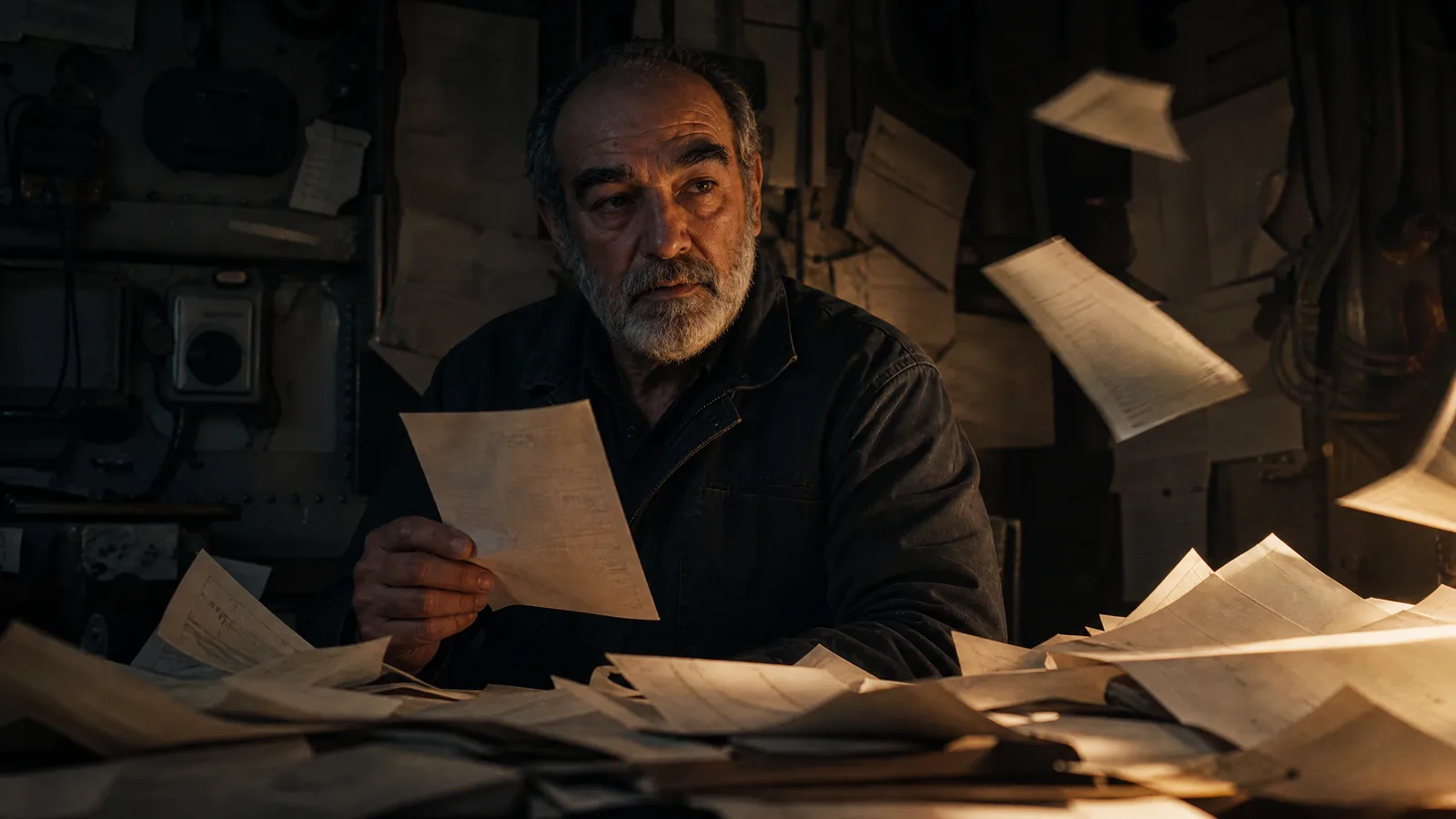
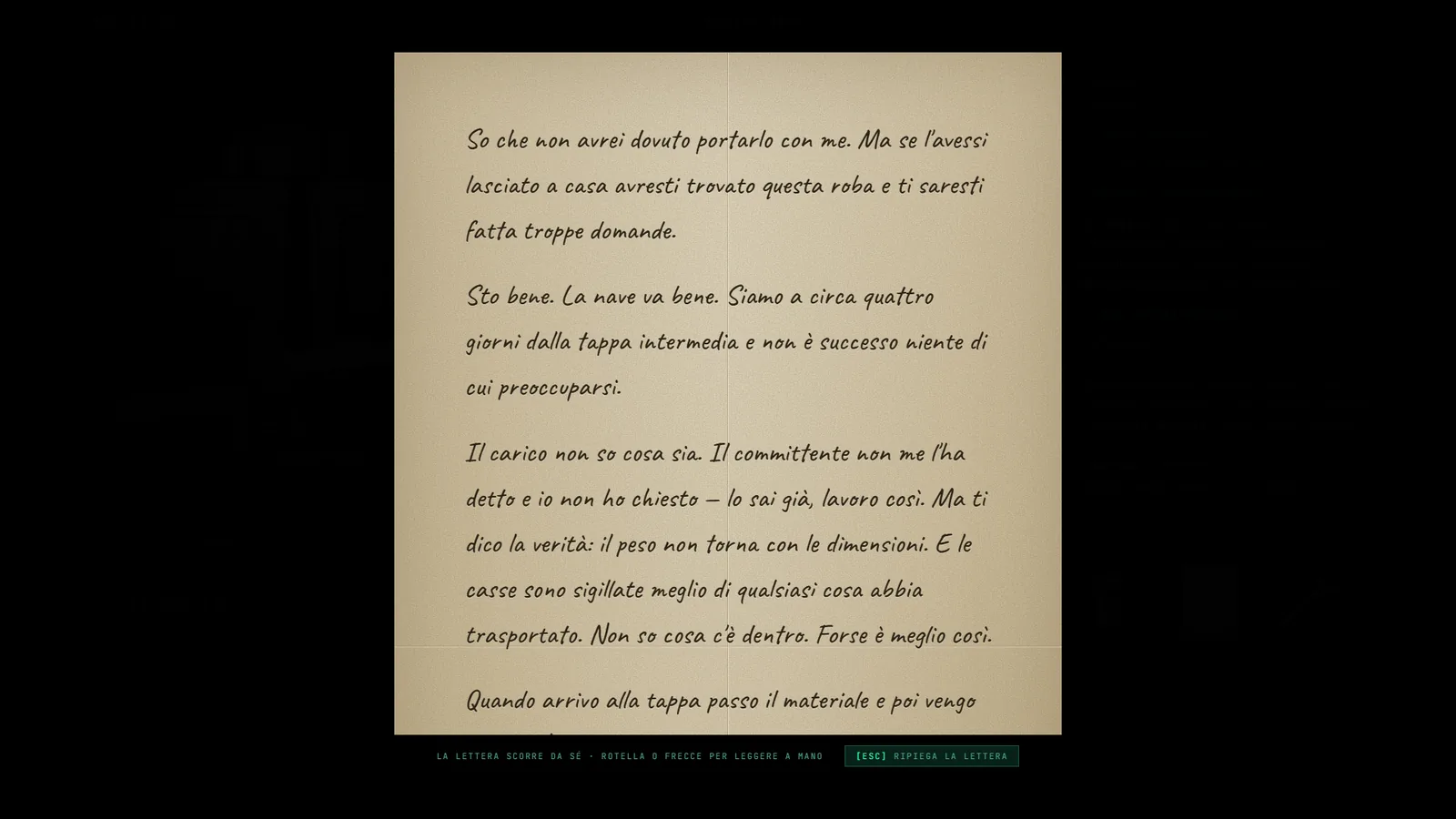
One object in this game is worth more than all the others put together, and until yesterday it arrived as a wall of text in the terminal panel. Now it is a sheet of paper, with its own grain and its own handwriting, and it scrolls by itself while you read it. Plus a bug that only a single frame could catch.
-
Before it is said out loud
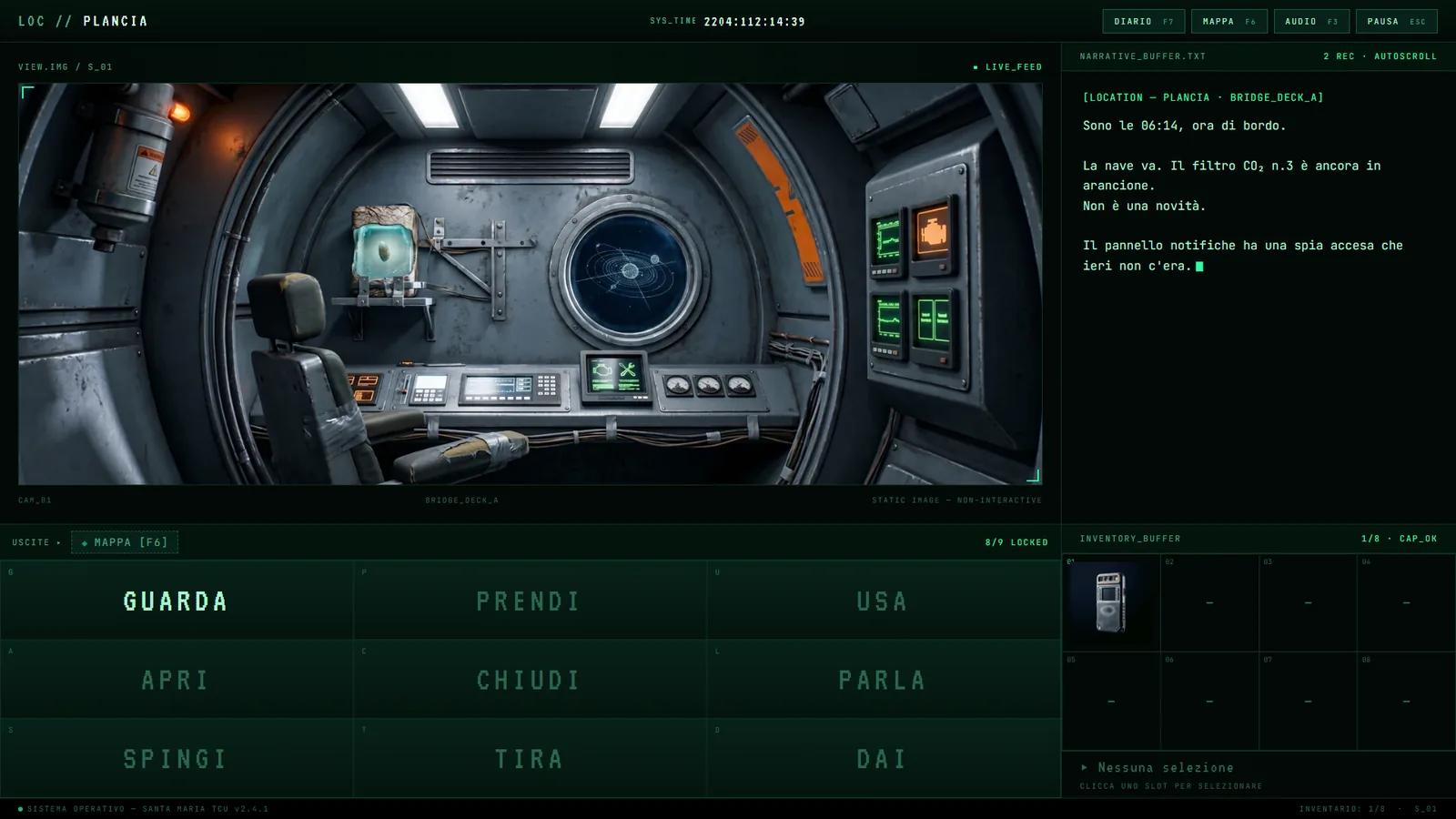
Before long someone will sit down at a microphone and read this game aloud. Until that happens, every word has to be the right one: a line fixed after recording costs another session in the booth. Hence a text revision going through the game lot by lot, and seven small programs that check it on our behalf.
-
What you can hear
Three rooms on the Santa Maria made no sound at all: no music, no room tone, the silence of an empty rehearsal space. They breathe now. Along with them came two real pieces of music, text that stops arriving all at once, and a title that finally has its own letters.
-
That it runs at all
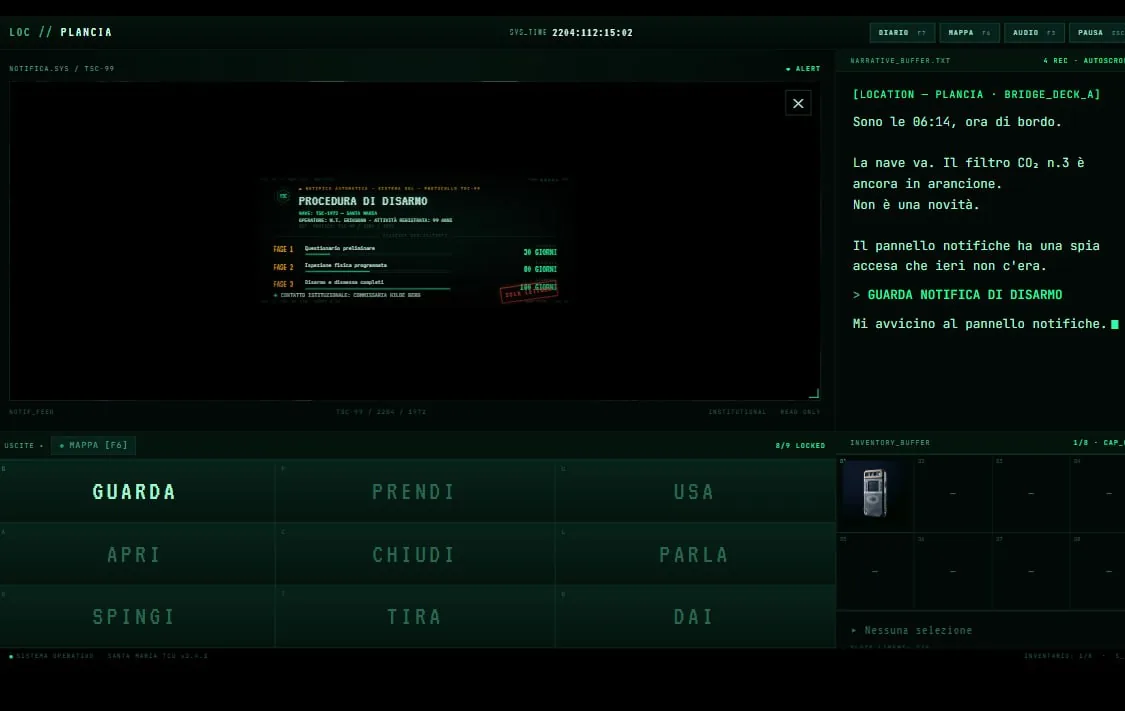
For days the Linux package wouldn't open, and it wouldn't say why. Finding out changed how we ship the game. With it came a run of fixes born from real playthroughs on real machines, a black screen there was no coming back from, a new working rhythm. And away from the code, the hold got put back in order.
-
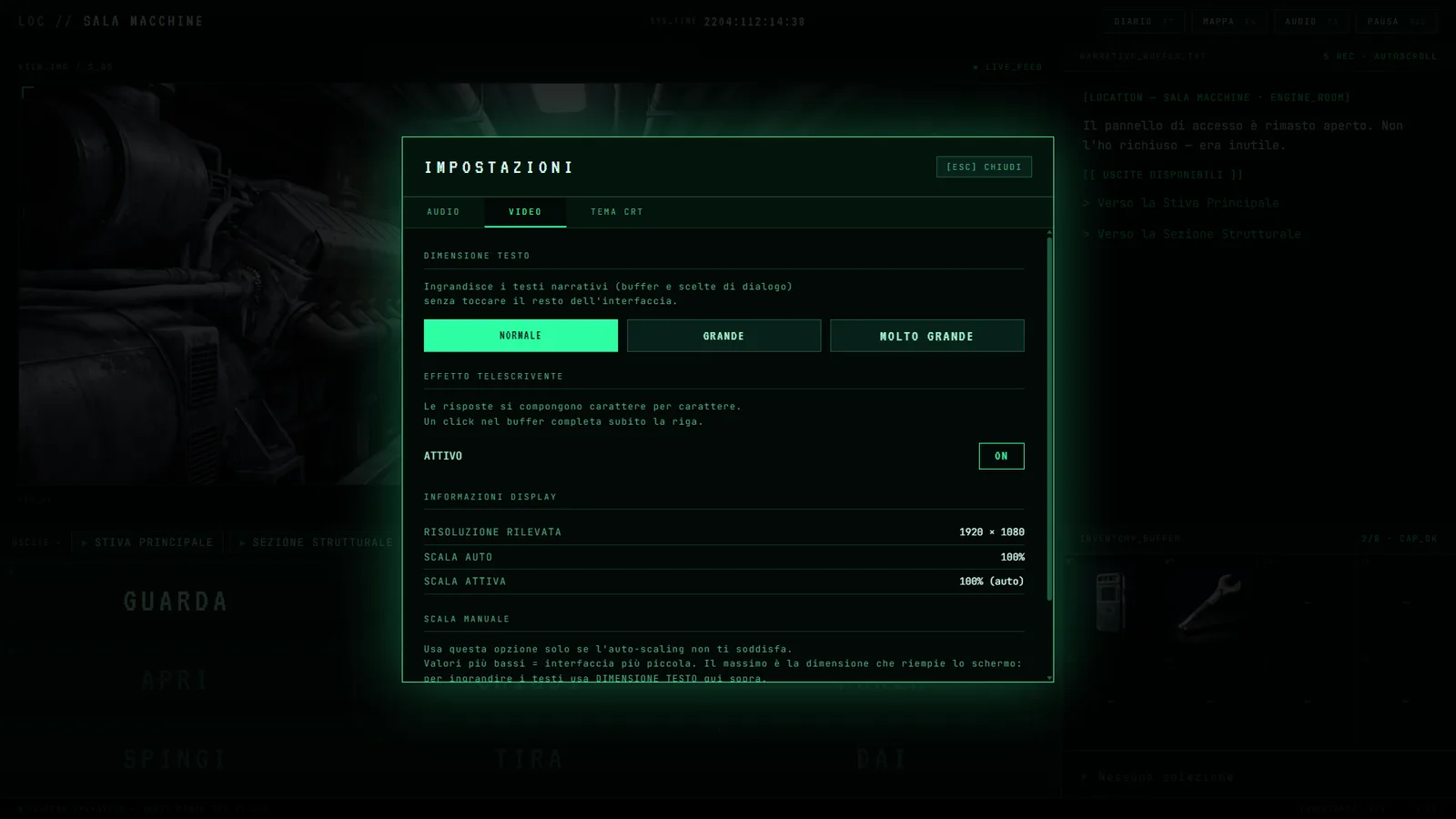
What you can see
Our first tester's letter goes on past the off-centre screen: he was stuck, and it was our fault. What followed was a week on legibility — adjustable text size, terminal themes, and a very-high-contrast mode that was hiding something it shouldn't. Plus the first recorded voices, which are on hold for now.
-
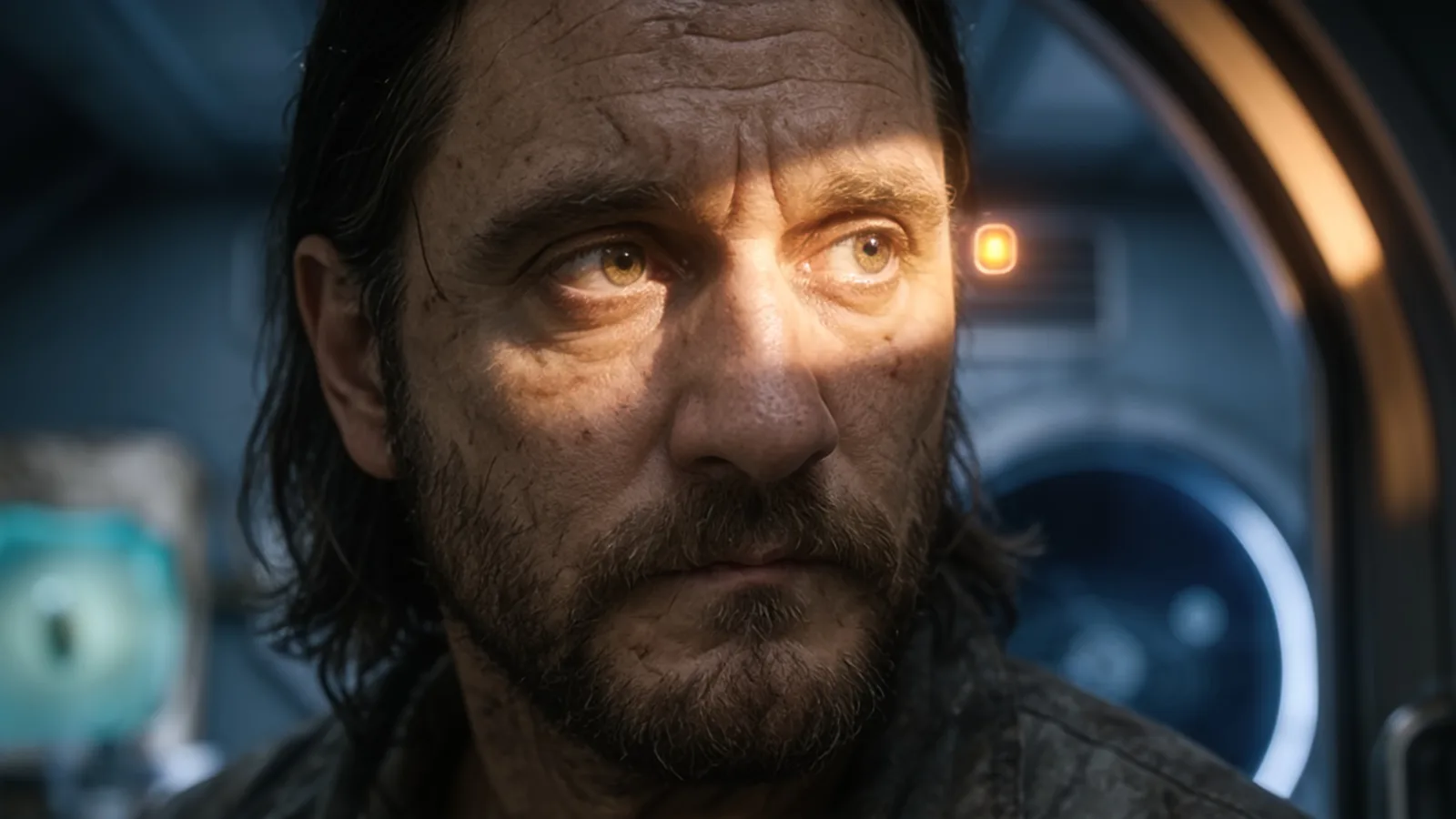
Nine hard cuts
The game's opening was rebuilt from scratch: nine clips that cut straight from one to the next, and main titles that aren't drawn on screen but rendered outside the browser. Then twenty-three findings from a review done with the game switched off, and the first report from a tester.
-
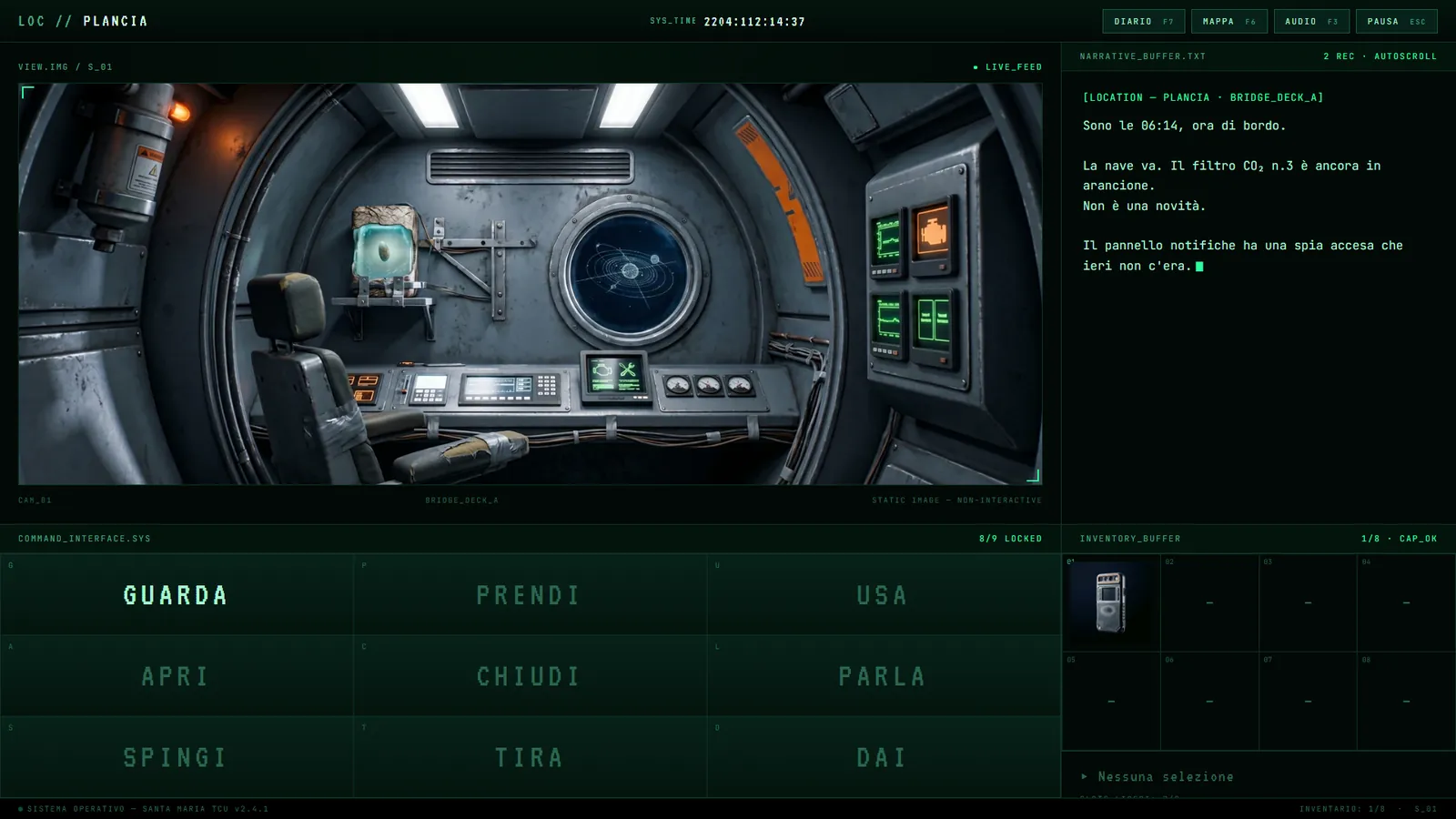
The first real playthrough
The game was played from beginning to end for real: a new game from the menu, no prepared saves, no shortcuts. Out of it came five defects, the actual playing times, and the first executable worth putting in someone's hands.
-
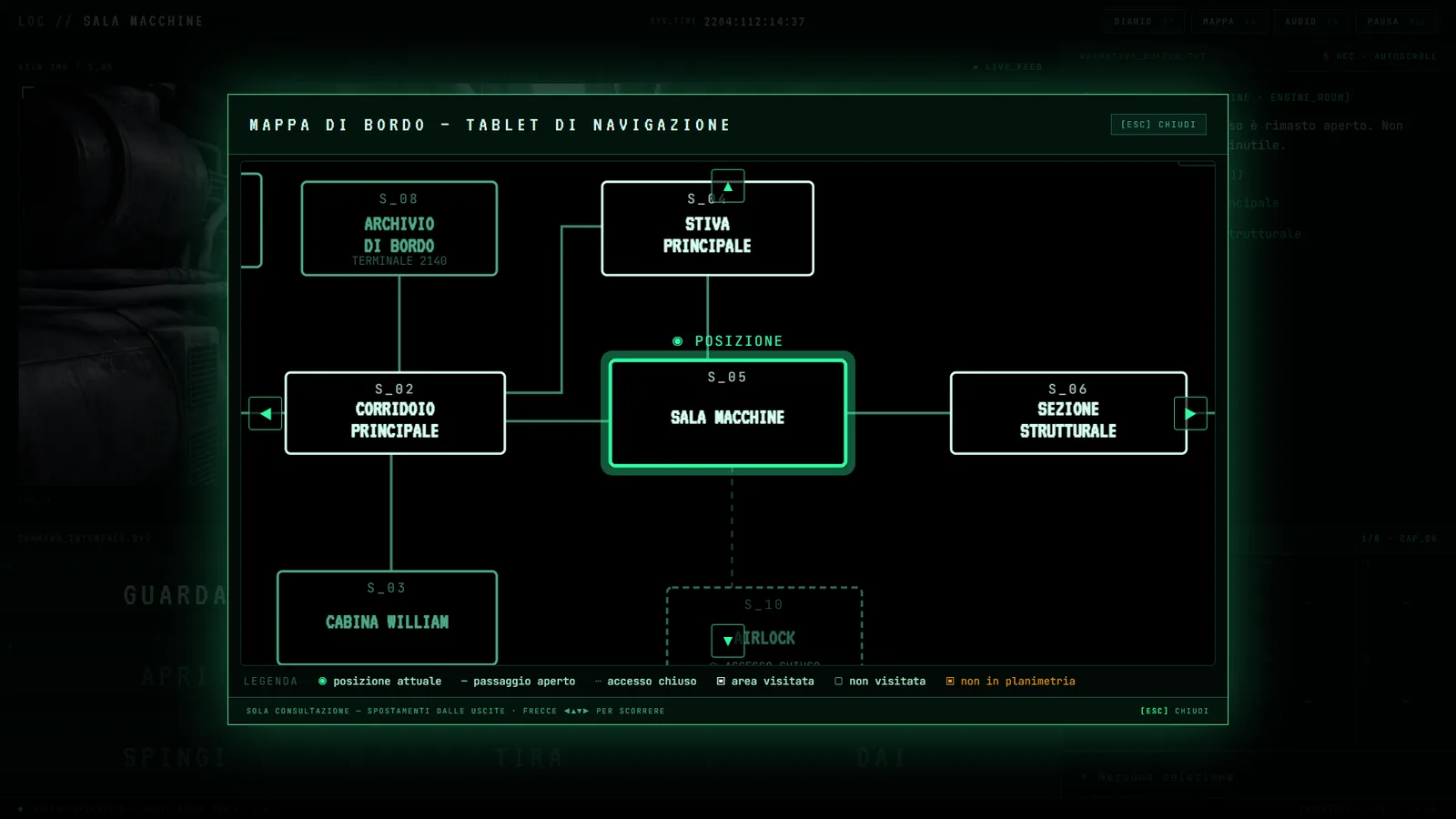
The log and the map
The ship's log now keeps track of the whole playthrough, and the ship finally has a map — a navigation tablet you can consult, arrows included, to pan across the deck plan.
-
Welcome aboard
The official website is live. From now on, development happens in the open — one devlog at a time.
-
The notification comes alive
A key document stops being static text and becomes an 18-second animated, sound-designed sequence. Prototyped as a video, ported live into the game.
-
The great revision
The ending, the story beats, redesigned puzzles, the ship's log and the weight of time. Then a full playthrough, from start to credits.
-
Side paths
Three optional detours from the main route, twelve new illustrations, detail close-ups and a new boot sequence with a cover screen.
-
The voices of the cargo ship
A dialogue tree engine and three characters who exist only as voices over the comm. William is never truly alone — but almost.
-
The cargo ship takes shape
Ten illustrated locations, the first music tracks with crossfade, a drawn inventory and an opening cinematic. The empty game becomes a place.
-
The foundations
Where do you start when building a graphic adventure? With a nine-verb interface, a native resolution, and a few non-negotiable rules.